Dive into the fascinating world of fungi with our curated collection of mycology articles and scientific papers. Whether you’re a seasoned mycophile or a budding mycologist, our carefully selected content provides a wealth of knowledge on mushroom identification, fungal ecology, and the latest advancements in mycological research. Join us on this exploration of the fungal kingdom, where each article is a gateway to understanding the diverse and intricate life of mushrooms.
Beginning Photo Tips for Mushroom Photography
Nan Etzweiler shares techniques for photographing mushrooms. These tips will help you capture the beauty of fungi, and maybe help you take home a prize at next year’s Annual MMS Photo Contest!
The Next Generation Fungal Diversity Researcher
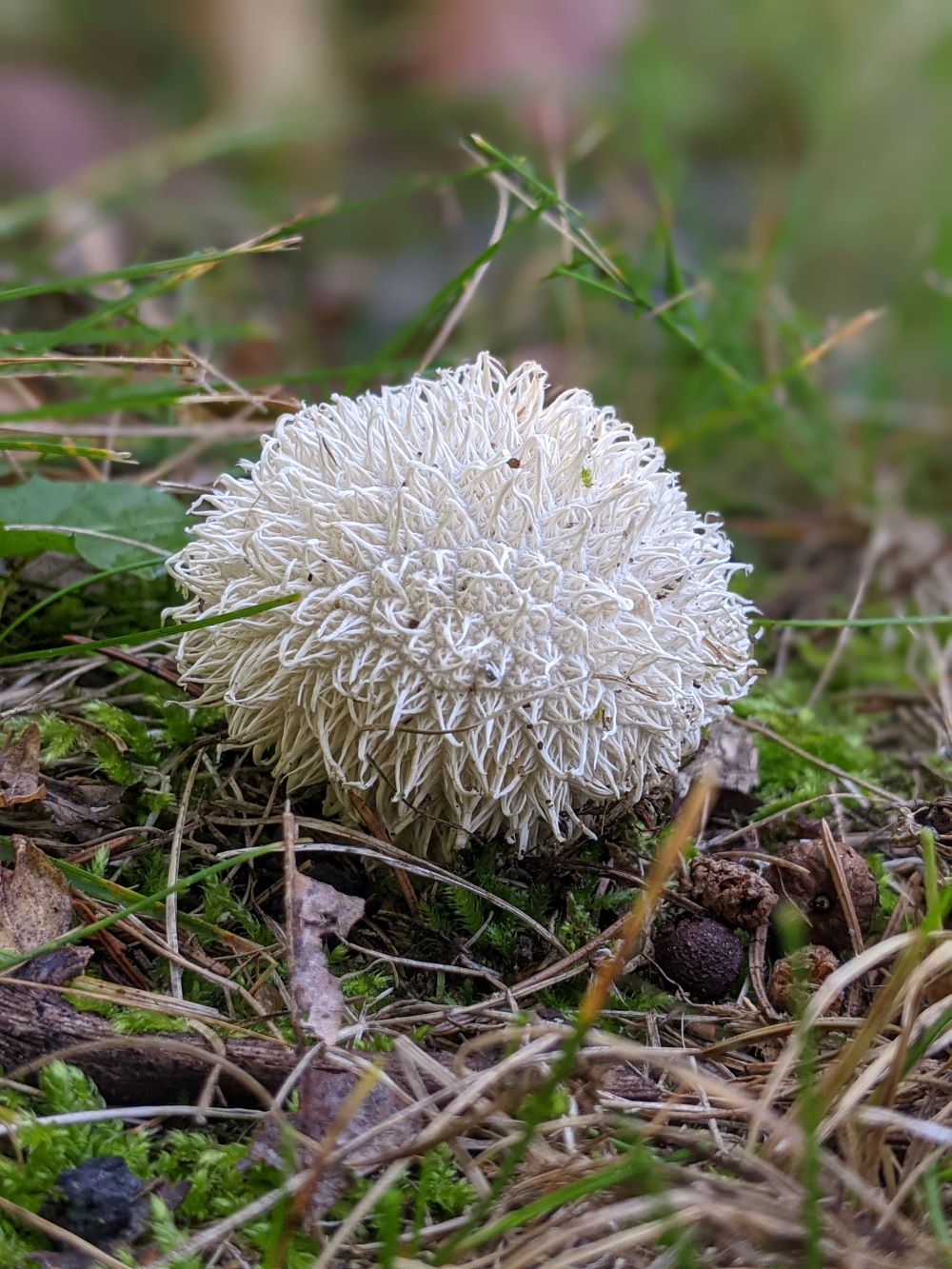
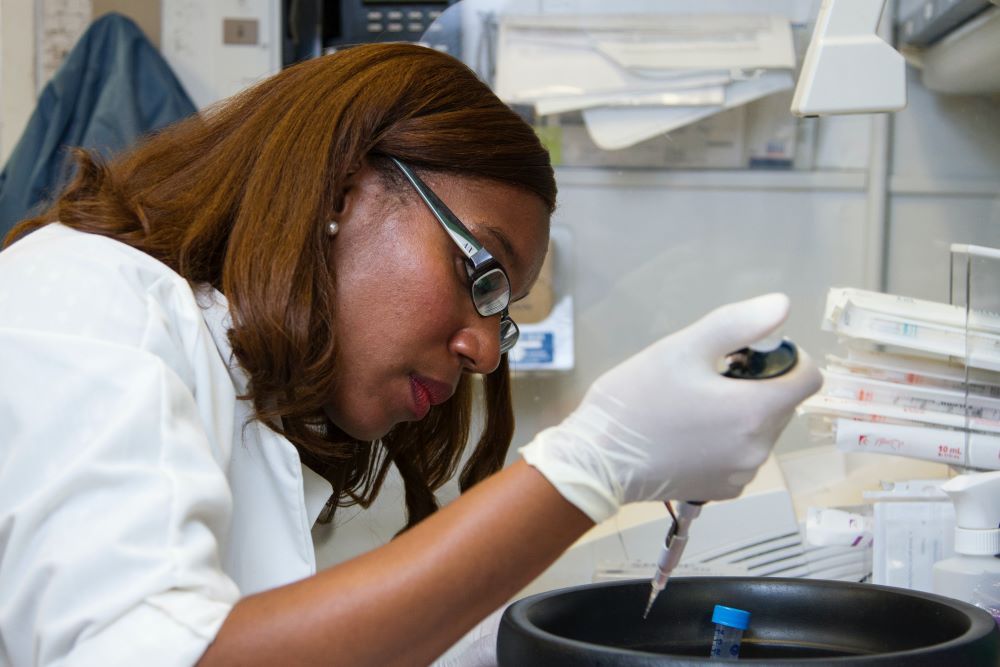
As fungal diversity researchers in universities decrease, we need to find ways to train experts and non-experts to collaborate in this important field. This 2017 opinion article from Elsevier, the journal of the British Mycological Society is even more relevant in 2024.
The Importance of Fungi and Mycology for Addressing Major Global Challenges
From the Abstract: “The time is right to make the world aware of the immense importance of fungi and mycology for sustainable global development, where land, water, and biological materials are used in a more efficient and more sustainable manner. This is an opportunity for profiling mycology by narrating the role played by fungi in the bioeconomy. Greater awareness and appreciation of the role of fungi can be used to build support for mycology around the world. Support will attract more talent to our field of study, empower mycologists around the world to generate more funds for necessary basic research, and strengthen the global mycology network. The use of fungi for unlocking the full potential of the bioeconomy relies on such progress. The fungal kingdom can be an inspiration for even more.”
Medicinal Mushroom Science: Current Perspectives, Advances, Evidence, and Challenges
From the Abstract: “The main target of the present review is to draw attention to the current perspectives, advances, evidence, challenges, and future development of medicinal mushroom science in the 21st century. Medicinal mushrooms and fungi are thought to possess approximately 130 medicinal functions, including antitumor, immunomodulating, antioxidant, radical scavenging, cardiovascular, anti‑hypercholesterolemic, antiviral, antibacterial, anti‑parasitic, antifungal, detoxification, hepatoprotective, and antidiabetic effects.”
Understanding Plants’ Relationships with Helpful Soil Fungi
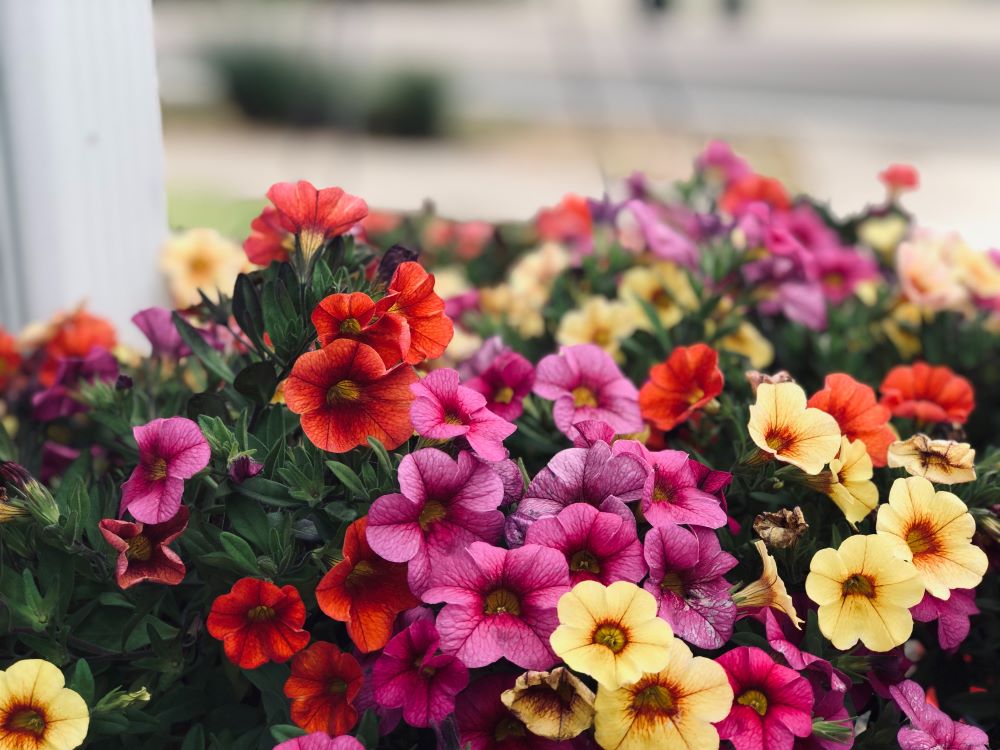
“Most plants live in symbiosis with soil fungi and are supplied with water and nutrients as a result. Based on the petunia, plant biologists have now discovered that a special transport protein is required to establish this symbiotic relationship. The targeted control of this protein could lead to greater harvests.”
Plant Welfare Is Improved by Fungi in Soil
“A team of biologists has discovered how plants use fungi to help them to gather vital nutrients from the soil. The researchers found that a protein, known as a proton pump, at the interface of fungus and root cells energizes cell membranes creating a pathway into the plant cell for nutrients such as phosphorus. The research may point the way to the development of higher yield crops using plants’ own organic tools rather than fertilizers.”
Do Mushrooms Communicate?
“Researchers who tapped into the network that connects fungi say that its patterns of electrical signals resemble human speech. Previous studies have suggested that fungi use electrical signals to communicate and process information across tiny connective threads called mycelium. In the new study, researchers inserted tiny electrodes into substrates colonized by four species of fungi. They found that spikes of electrical activity often clustered into groups that resembled vocabularies of up to 50 words and could be like human language. But some researchers are skeptical. “The interpretation as language seems somewhat overenthusiastic and would require far more research and testing of critical hypotheses before we see ‘Fungus’ on Google Translate,” says bioscientist Dan Bebber.” [excerpted from Nature Reviews]
Other researchers have found a layer of polarized water around mycelium that rapidly conducts charge impulses.
How Does White-Nose Bat Syndrome Kill Bats?
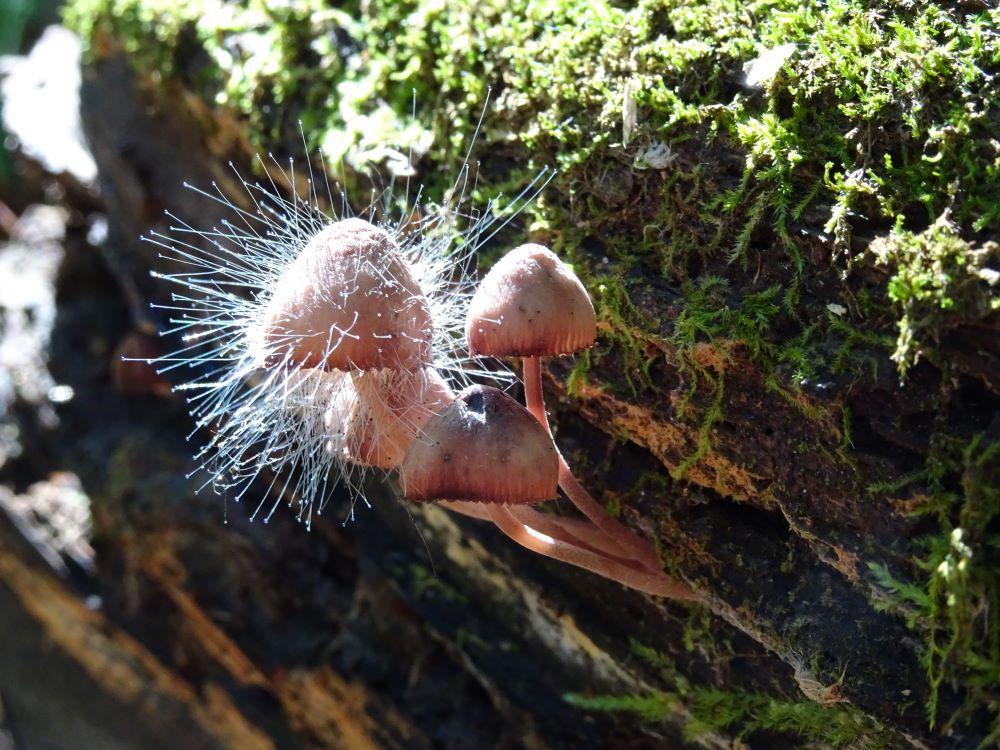
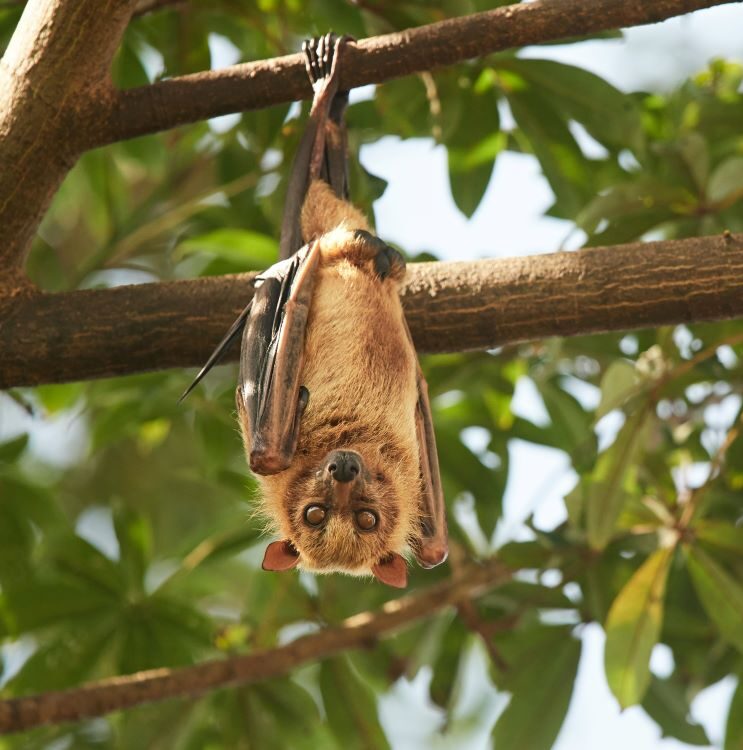
“Scientists have developed, for the first time, a detailed explanation of how white-nose syndrome (WNS) is killing millions of bats in North America, according to a new study. Scientists hypothesized that WNS, caused by the fungus Pseudogymnoascus destructans, makes bats die by increasing the amount of energy they use during winter hibernation.”
Medicinal Fungi: Hype & Hope
The more I read, the more I realize how complicated we humans are in every respect conceivable. My intent in this multi-part essay is to evaluate arguments for and against the use of mushrooms as medicine. I am also interested in examining the deeper social, historical and cultural motivations behind supporting or rejecting their use for the prevention and cure of the diseases associated with aging: cancers, heart diseases, diabetes, Alzheimer’s and Parkinson’s diseases. While I am not a medical doctor, various versions of this paper have been scrutinized by physicians associated with NAMA, including the illustrious members of NAMA’s Medicinal Fungi committee.
Scientific Research & Medicinal Fungi
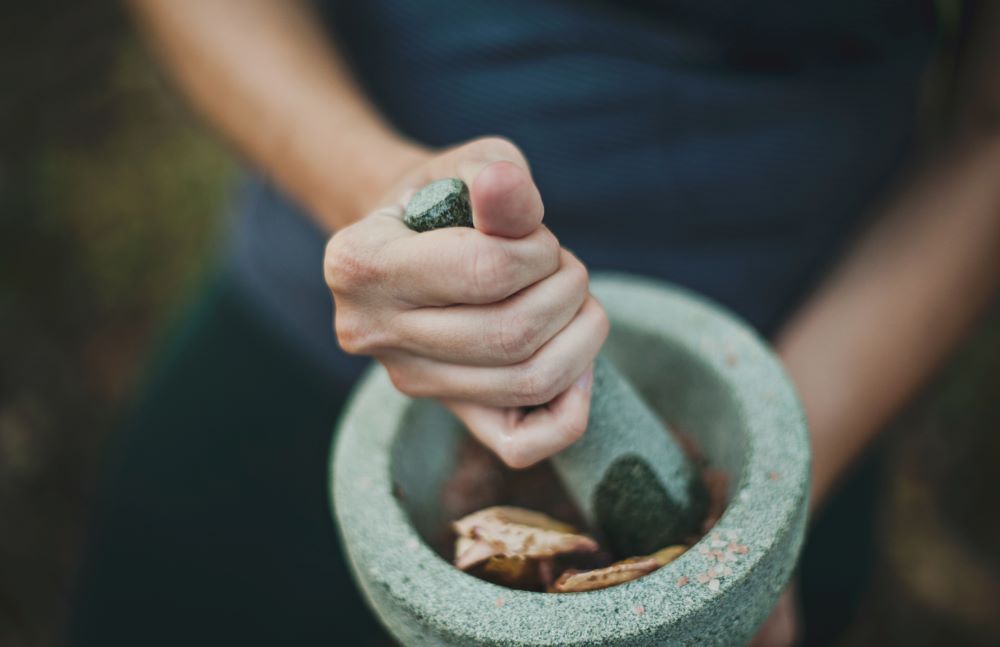
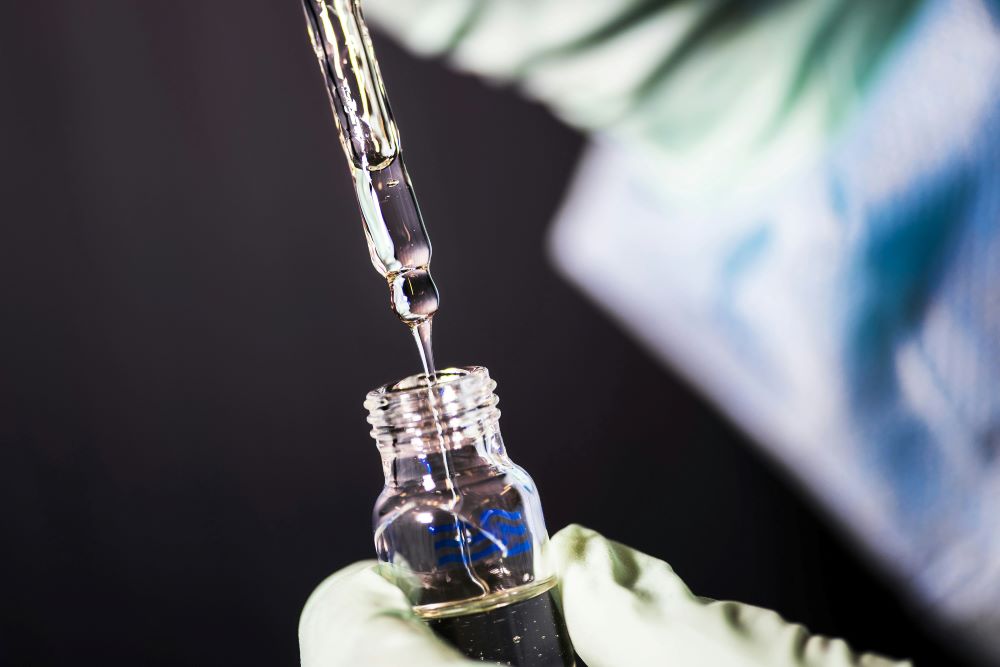
Humans have enjoyed a close and long association with fungal organisms as fire starters, styptics, bandages, as food for making breads, cheeses, tofu, soy sauce, flavor enhancers, preservatives, as alcohol used to mark and cement ritual, social and political relationships, and as hallucinogens to facilitate connections to the spirit realm of unpredictable gods or ancestors. Today they are being fashioned into furniture, art, insulation, and packaging. They are being investigated and used for bioremediation of heavy metals, toxic wastes, radiation, and explosives. Fungi are employed in reforestation projects, numerous and varied industrial applications, as alternative fuels, as pesticides in farming, in food production and vitamin manufacture. We have discovered that fungi are chemical factories that also have the potential to provide us with new medicines as well as nutritious food.
Bacterial Slime: It’s What’s for Dinner
So how do we feed billions of hungry mouths if there is no more sunshine or farming? Swap your Big Mac and fries for bacterial slime and a side of bugs, and you’ll be okay.
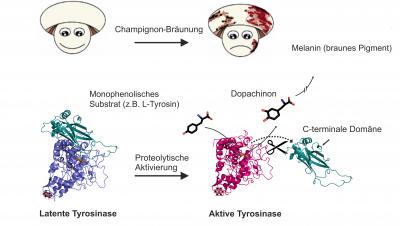
Why Do Mushrooms Turn Brown?
The research team of Annette Rompel from the Institute for Biophysical Chemistry, University of Vienna explore the mechanisms behind the “browning reaction” during the spoilage of mushrooms.